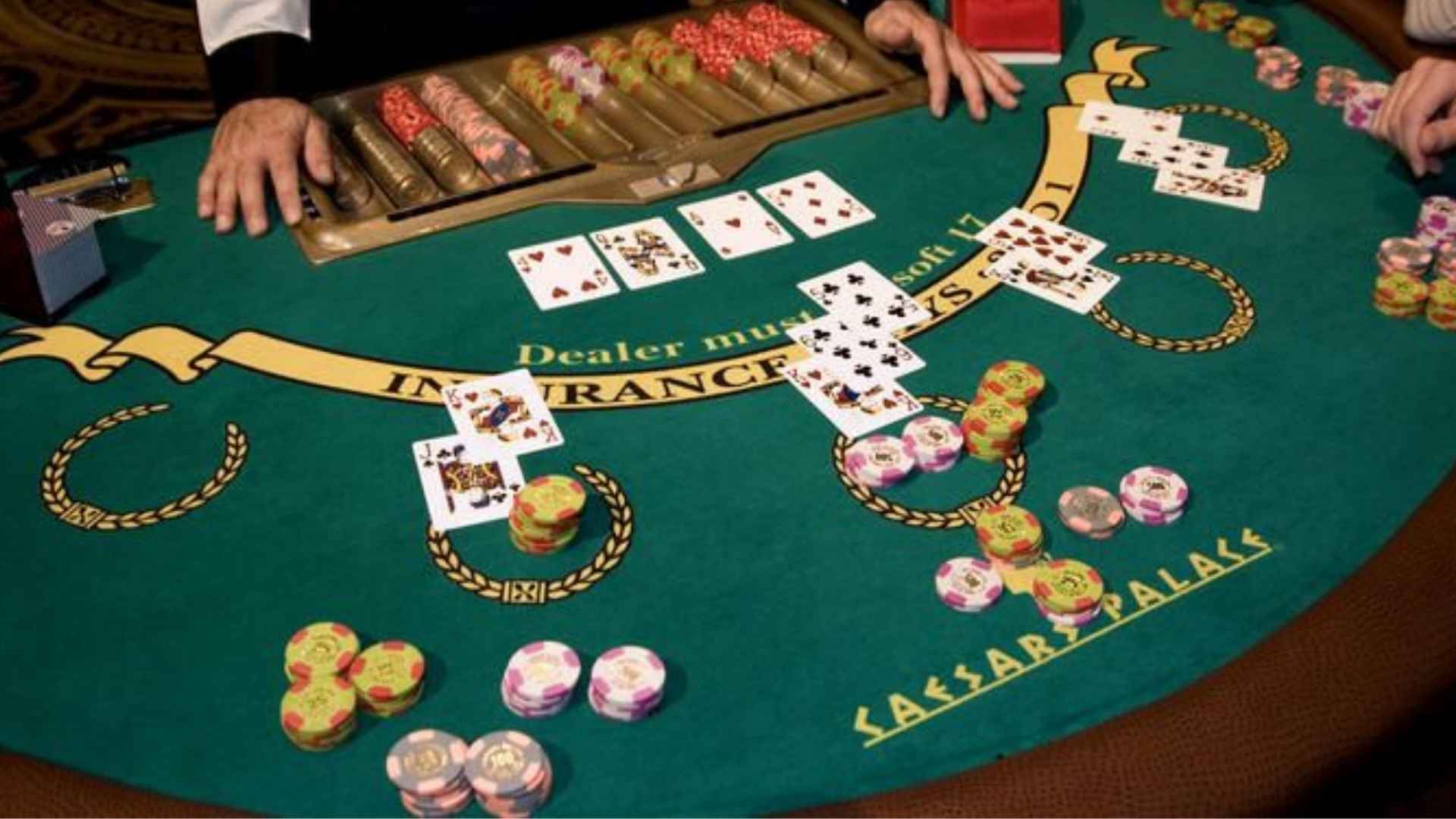
Navigating complex card layouts in contract bridge demands analytical focus, structured calculation, and systematic planning before making a single play. When dealt a challenging arrangement with unusual suit splits or scattered high-card values, rushing into tricks often leads to avoidable errors. By learning how to deconstruct difficult hands step by step, players can maintain full control over the table dynamics.
Analyzing High Cards and Losers Early
The initial phase of unraveling a difficult bridge hand begins before playing a card from dummy or declarer. A player should carefully count immediate winners alongside potential losers in each suit to establish a reliable baseline. This mental assessment helps identify where trick development is necessary and which suits pose defensive risks.
Evaluating suit lengths in combination with high-card placements reveals the true structural strength of a hand. For players looking to test their analytical skills in digital settings, accessing m88 capital provides an engaging environment for strategic gaming. Establishing a clear count early prevents hasty moves during crucial trick transitions.
Reconstructing Hidden Suit Distributions
Inferring how missing cards are split among opponents is a vital skill when managing challenging deals. By listening carefully to the auction, skilled declarers can deduce suit lengths and honor placements across unseen hands. Updating these probabilities as each trick unfolds provides a clearer visual map of the entire table.
When suit breaks appear unfavorable, flexible players pivot their plans to minimize potential defensive threats. Recognizing unbalanced distribution allows a declarer to choose safer lines of play rather than relying on pure luck. This disciplined deductive reasoning turns confusing deals into manageable tactical puzzles.
Managing Entries and Communication Timing
Complex bridge hands frequently present entry problems that hinder fluid movement between declarer and dummy. Preserving key entries in the correct hand ensures that long suits can be established and cashed without interruption. Mismanaging high-card entries often strands valuable winning cards late in the deal.
Careful timing allows players to control who holds the lead during critical phases of the game. Striking a balance between pulling opposing trumps and developing side suits keeps defenders on the back foot. Precise entry management turns seemingly chaotic deals into smoothly executed victories.
Executing Tactical Adjustments Under Pressure
Even well-conceived plans must adapt when unexpected card plays or bad suit splits occur mid-game. Remaining calm enables declarers to recalculate their trick totals and seek alternative lines such as endplays or squeezes. Flexibility under pressure separates top-tier strategists from average players.
Developing the habit of reviewing tricky hands after matches helps solidify these advanced techniques over time. Analyzing unforced errors builds lasting confidence for future high-stakes encounters. Embracing a methodical approach ultimately makes breaking down any complicated bridge hand second nature.