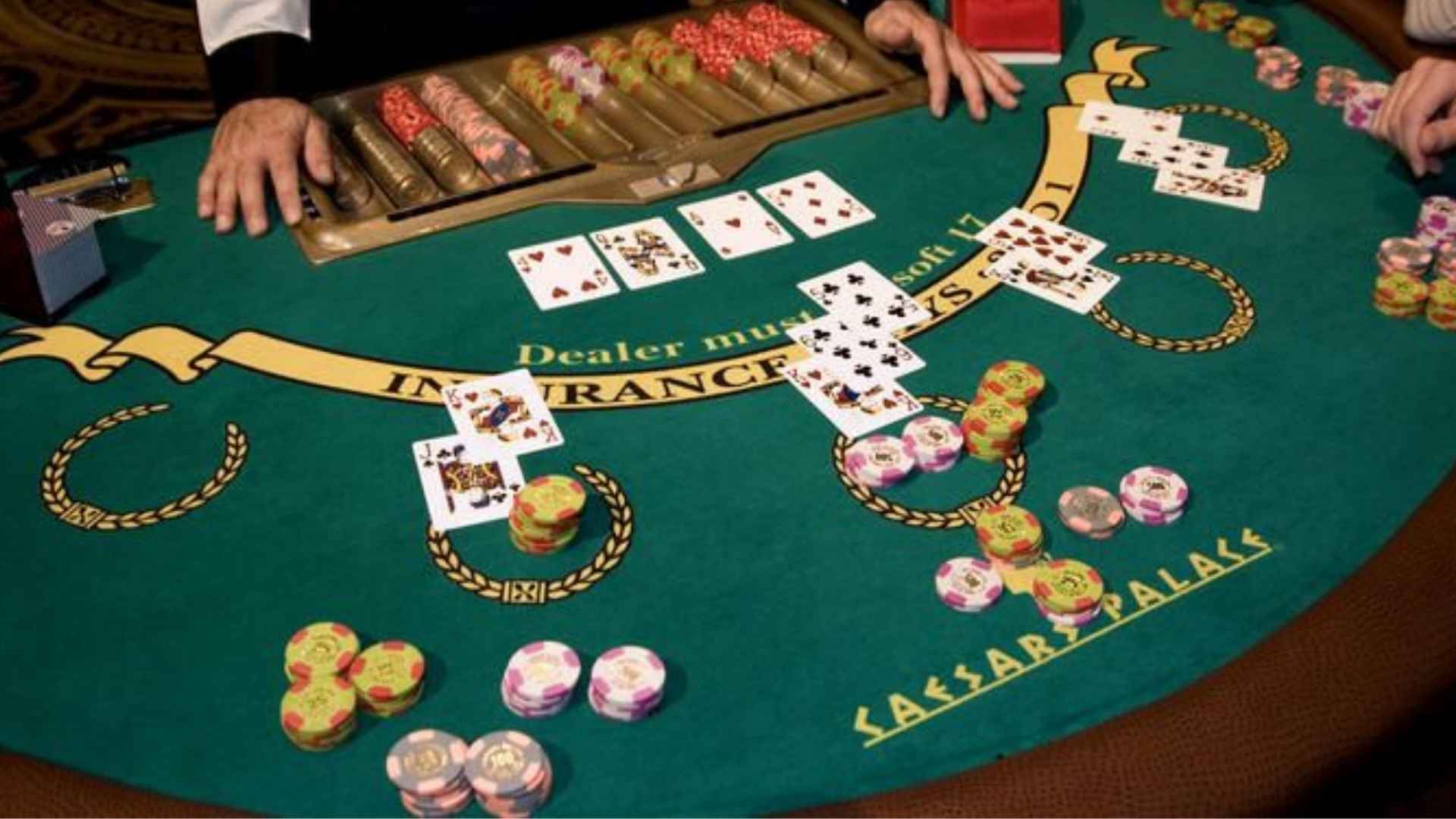
Poker is a dynamic game where holding a strong starting hand does not automatically guarantee a winning outcome at the showdown. Many players suffer significant losses because they fail to navigate the complex strategic shifts that occur after the community cards are dealt. Understanding how to protect your premium holdings from common tactical missteps is essential for long-term success at the table.
Overvaluing Top Pair Situations
One of the most frequent mistakes enthusiasts make is treating a top pair combination as an invincible hand throughout multiple betting rounds. While a high pair is statistically strong preflop, its relative value can drop drastically depending on how the board develops. Competitors often build massive pots with these moderate holdings, failing to realize when they are completely beaten.
When facing intense aggression from tight opponents, it is crucial to re-evaluate your actual hand strength objectively. Learning to fold a strong starting hand when the situation turns unfavorable will safeguard your chip stack from unnecessary damage. Utilizing professional platforms like M88 Mansion can provide a reliable environment to practice these critical tactical adjustments in real time.
Ignoring Table Position Dynamics
Table position remains a critical element that directly dictates the profitability of any given poker hand. Acting early in a betting round forces you to make complex decisions with incomplete information, leaving you vulnerable to countermoves. Even the strongest holdings can quickly turn into financial liabilities when played out of position against observant opponents.
Conversely, having positional advantage allows you to observe how everyone else acts before you commit your chips. This extra information gives you total control over the size of the pot and helps you maximize value. Disregarding this leverage is a certain path toward turning promising situations into frustrating losses.
Misreading Opponent Countermoves
Success at the green felt requires a delicate balance between executing your own strategy and analyzing human behavior. Many developing players focus entirely on their own cards while completely ignoring the betting patterns of their opponents. This narrow mindset prevents you from detecting subtle warnings that signal a trap is being set.
An unexpected raise or a sudden check-raise from a passive player usually indicates an extremely powerful combination. Ignoring these obvious behavioral changes leads to costly blunders that completely destroy your competitive momentum. Paying close attention to table history will help you avoid walking into dangerous situations.
Failing to Adjust to Board Textures
The texture of the community cards determines how likely it is that an opponent has completed a drawing hand. A coordinated board filled with straight and flush possibilities dramatically reduces the absolute strength of your one-pair hands. Failing to adjust your betting size to protect against these potential draws is a major operational leak.
When you allow opponents to see subsequent cards cheaply, you give them the perfect mathematical opportunity to outdraw you. Solid strategic execution requires charging a high price to players who wish to chase low-probability combinations. By adjusting your aggression based on the shifting board texture, you ensure consistent results across every session.