For many gaming enthusiasts, the true appeal of a tabletop experience lies in the mental challenge and the opportunity to outmaneuver an opponent. Unlike games that rely entirely on the roll of a die or a random draw, strategy-focused table games reward foresight, analytical thinking, and psychological depth. Diving into these classic challenges can sharpen your decision-making skills while providing highly engaging social experiences.
The Chess Standard of Tactical Foresight
Chess remains the ultimate benchmark for strategic tabletop gaming, boasting a history that spans over a thousand years. This classic two-player battle contains zero hidden information and absolutely no elements of luck, meaning every victory is earned through pure tactical superiority. Players must constantly analyze the board, anticipate their opponent's responses several turns in advance, and adapt their defensive structure on the fly.
Engaging regularly with chess helps develop spatial reasoning and complex problem-solving abilities. It teaches the invaluable lesson of sacrificing short-term gains to secure a dominant position in the endgame phase. For anyone looking to test their pure cognitive capacity, this historic game remains an essential starting point.
Calculated Probabilities in Blackjack
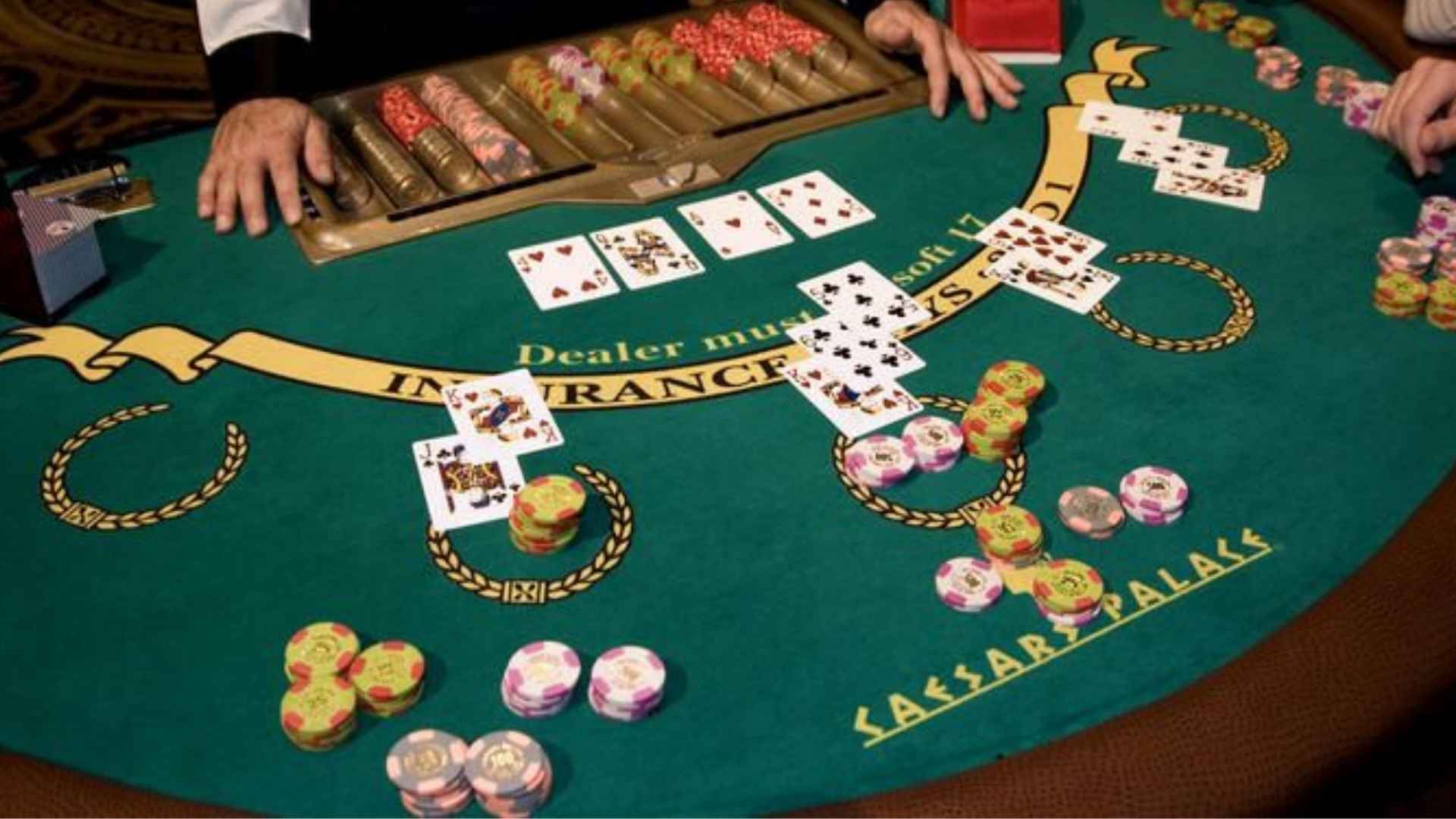
For those who prefer a dynamic blend of mathematical probability and risk management, blackjack offers a highly rewarding strategy arena. The core objective is to beat the dealer by building a hand value as close to twenty-one as possible without busting. What makes this game a favorite for analytical minds is the ability to use mathematically optimized decision models for every possible scenario.
By studying basic strategy charts, players can systematically reduce the house edge to a fraction of a percent. For a premium platform to test these mathematical strategies and explore structured card games, you can visit M88 Mansion to refine your skills. Approaching each hand with strict discipline transforms the experience from simple gambling into a calculated exercise in probability.
The Psychological Depth of Poker
While card games require a strong grasp of math, poker introduces the fascinating element of human psychology and incomplete information. Players must not only calculate the statistical strength of their cards but also interpret the subtle behavioral cues of everyone else at the table. Success in this arena relies heavily on mastering the art of bluffing, managing your table image, and reading opponent patterns.
This unique combination of statistics and social psychology makes poker one of the most complex strategy games in existence. It demands intense emotional discipline and the ability to make logical decisions under extreme pressure. Every round presents a new puzzle, ensuring that no two sessions are ever identical.